Product Design
Sleep Accountability Lamp
An innovative smart lamp designed to promote healthy sleep habits through gentle light cues and accountability features.
Overview
The Challenge
University students often struggle with poor sleep hygiene due to irregular schedules, academic pressure, and excessive screen time. On average, students get 6.2 hours of sleep compared to the recommended 8-9 hours, leading to reduced focus and well-being. There's a need for a collaborative, accessible solution to encourage better sleep routines.
The Solution
We designed Shroomcycle, a smart, interactive lamp that uses gentle ambient lights and a physical accountability mechanism to help users build and maintain healthier sleep routines without relying on harsh screen-based interactions.
Role
Product Designer, UX Researcher, Prototype Developer
Duration
4 months
Tools
Arduino · Miro · Pen and Paper · SolidWorks
Team
- 1 × Product Designer
- 1 × Developer
- 2 × Interaction Designer
Promo Video
Research & Discovery
To deeply understand university students' sleep habits, we used three research methods: interviews, autoethnographies, and diary studies.
INTERVIEWS
From our interviews, we were able to identify a few key pieces of information:
- •Interviewees categorise 6-9 hours of sleep as “Good Sleep”. Most were unable to meet this due to academic and job pressures.
- •Most participants habitually use their phones prior to sleeping.
- •Interviewees frequently get disturbed by noises from housemates/neighbours that often wake them up.
AUTOETHNOGRAPHY
From conducting autoethnographies, we were able to understand that one common routine that we all had prior to sleeping was to browse our phones, be it social media or YouTube.
DIARY STUDY
Users would often watch videos on YouTube or browse social media prior to sleeping to help them wind down.
- •Users would often stay awake and not have good sleep around assignment deadlines and exam times.
- •Users would often check their phones as soon as they wake up.
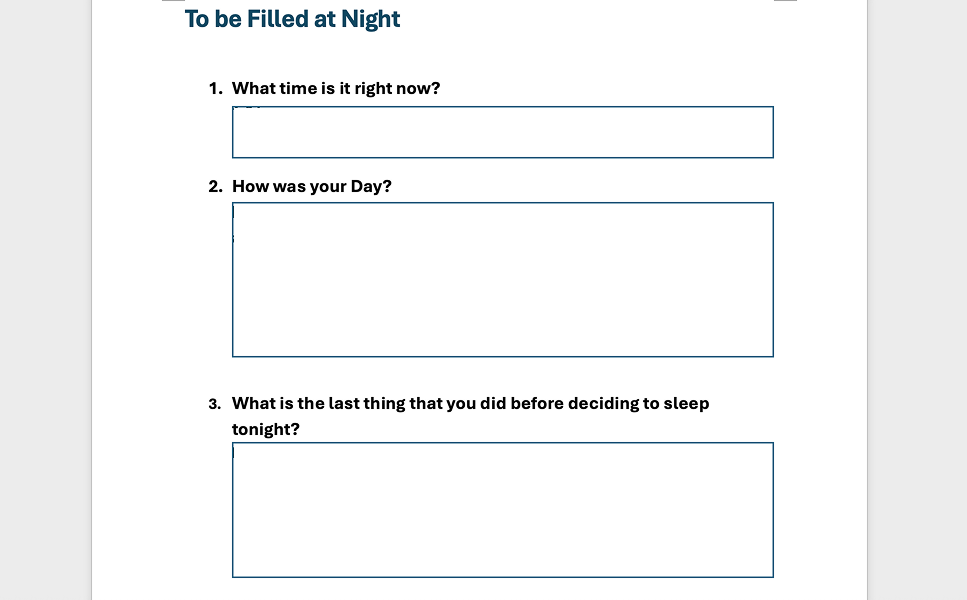
Diary Study Questions
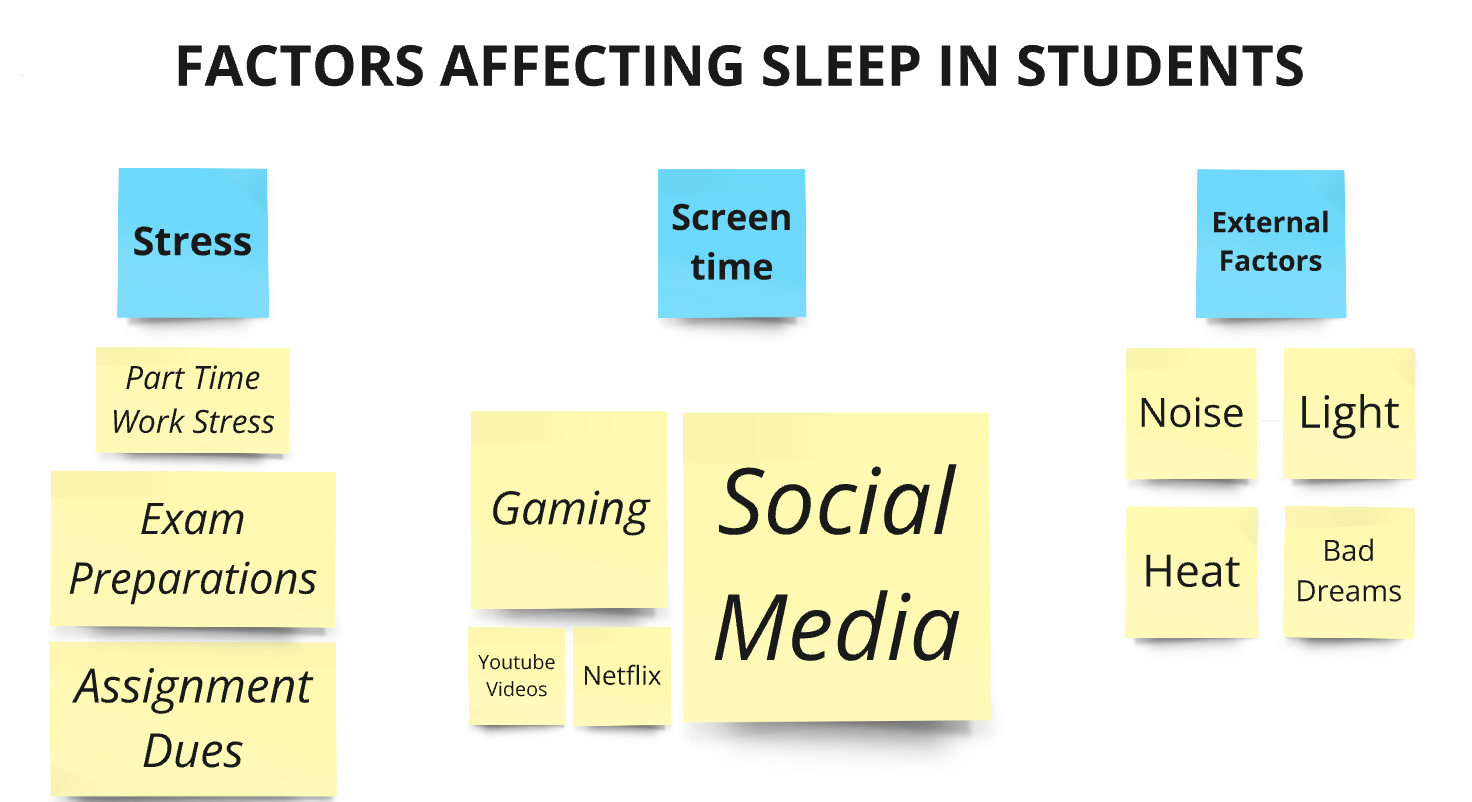
KEY INSIGHTS
Sleep Shortfall
Students average 6.2 hours of sleep due to academic and environmental pressures.
Screen Time Impact
Phone use before bed disrupts sleep quality.
Need for Consistency
Consistent schedules and reduced device use could improve sleep hygiene.
Persona
Emma Tan
21-year-old university student struggling with sleep hygiene
"I know I should sleep better, but it's hard to stick to a routine with my schedule."
Goals
- —Improve sleep quality for better focus and well-being
- —Maintain academic performance
- —Build consistent bedtime routines
Frustrations
- —Inconsistent sleep schedule
- —Difficulty winding down
- —Waking up tired
- —Lack of accountability for timely bedtimes
Needs
- —A tool encourage consistent sleep schedules
- —A way to track sleep progress
- —Simple, affordable solution to stay accountable to my goals
Storyboard
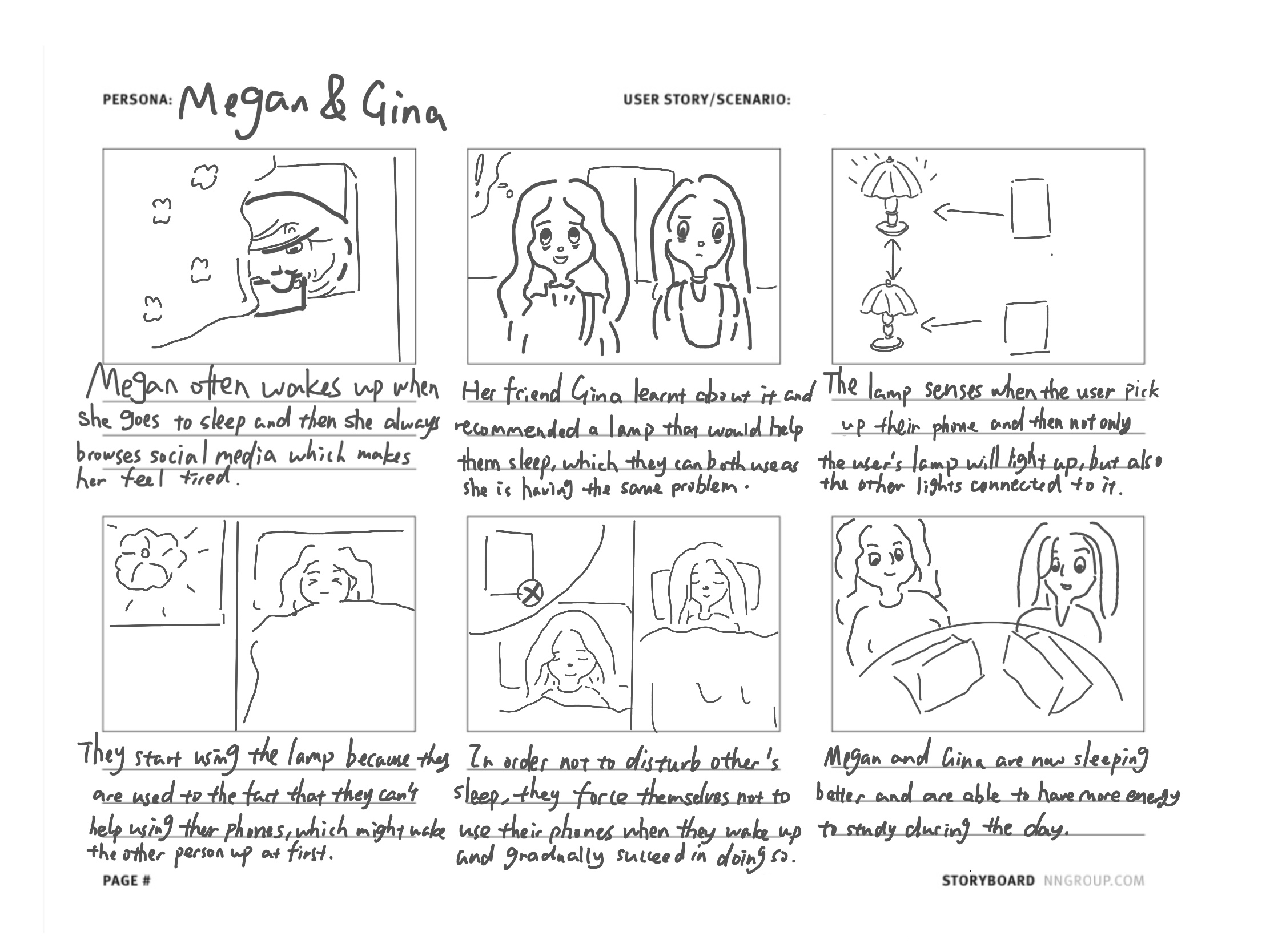
Proposed Solution
We designed ShroomCycle, a smart, interactive lamp that uses gentle ambient lights and a accountability mechanism to help university students build and maintain healthier sleep routines.
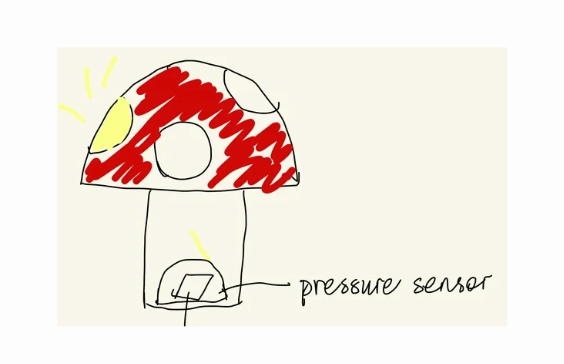
ShroomCycle Design Draft
KEY FEATURES
- Ambient Light DetectionLamps activate when room lights dim.
- Phone Detection PadA pad that detects when a phone is placed on it and turns off the user's light, indicating they're ready to sleep.
- Group AccountabilityEach lamp's LEDs reflect the sleep status of friends, creating a sense of shared motivation.
- Simple and AffordableAn accessible solution that integrates seamlessly into the bedroom environment.
Hardware Prototyping
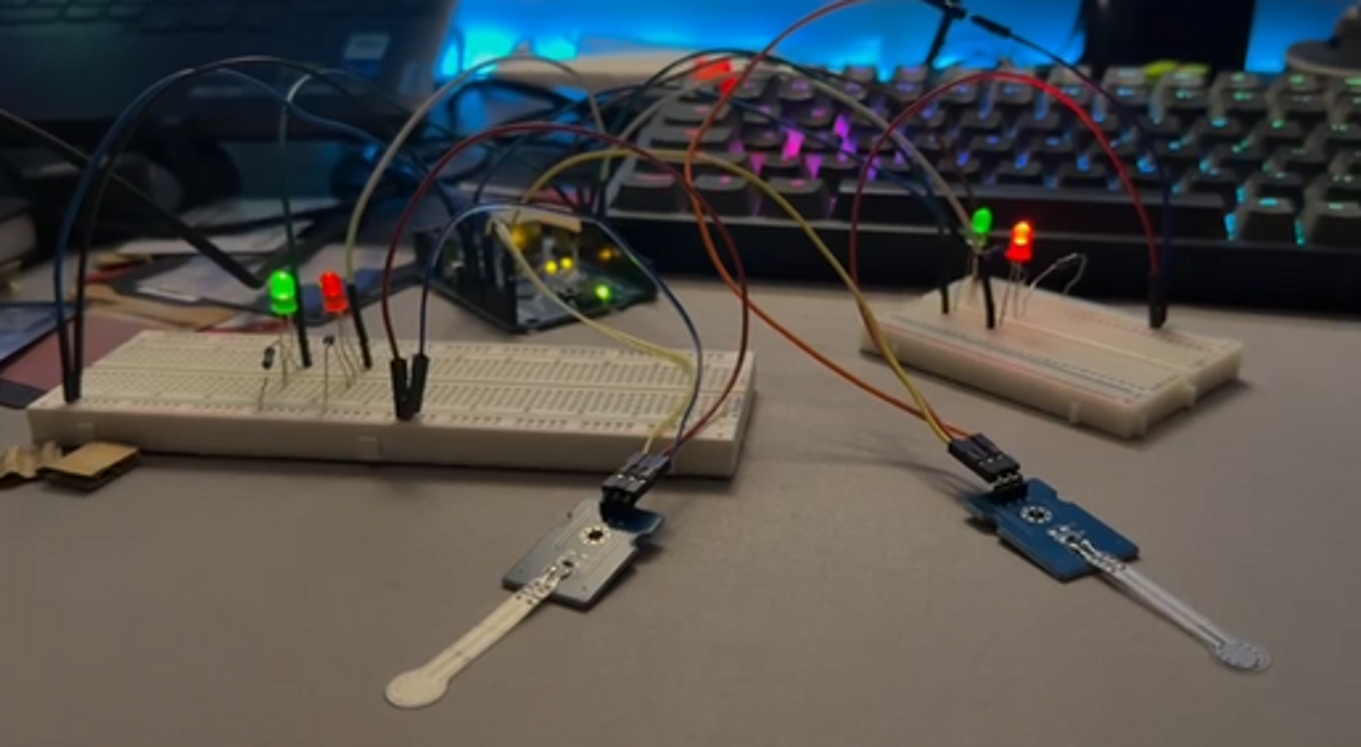
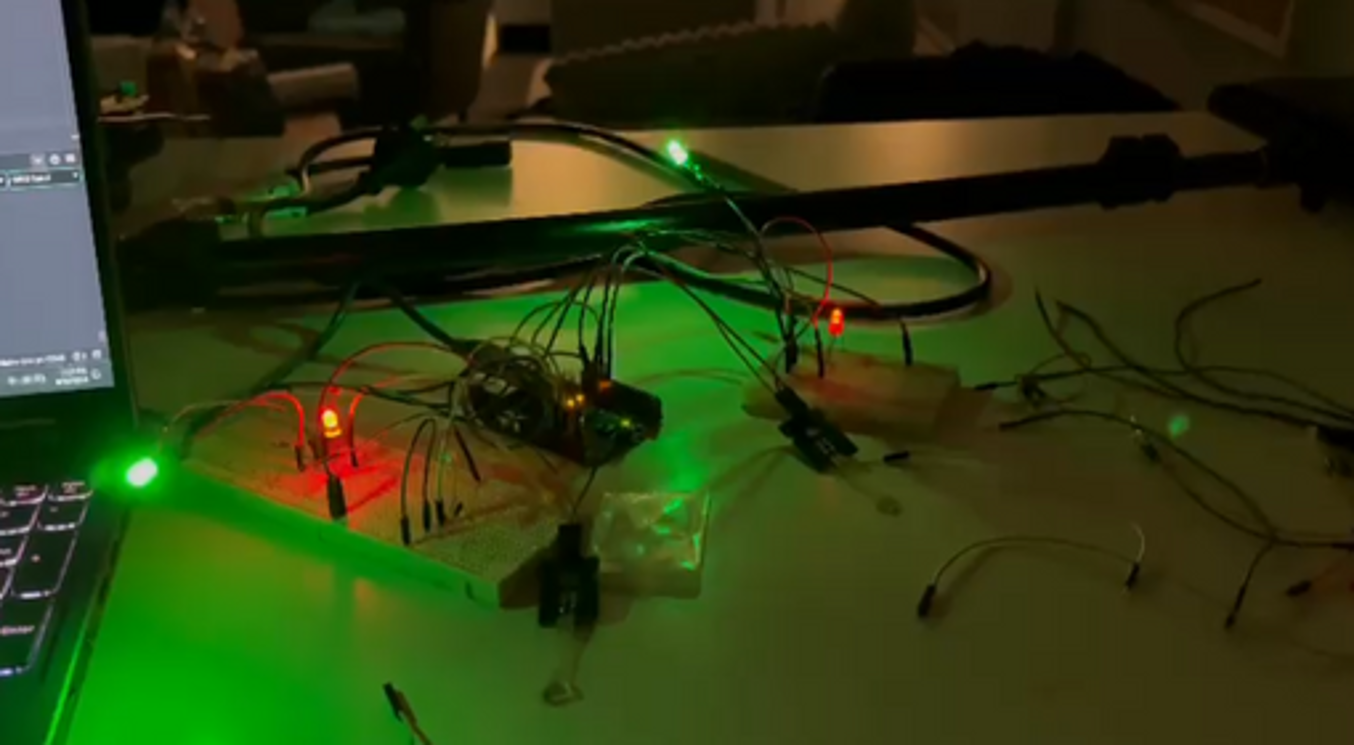
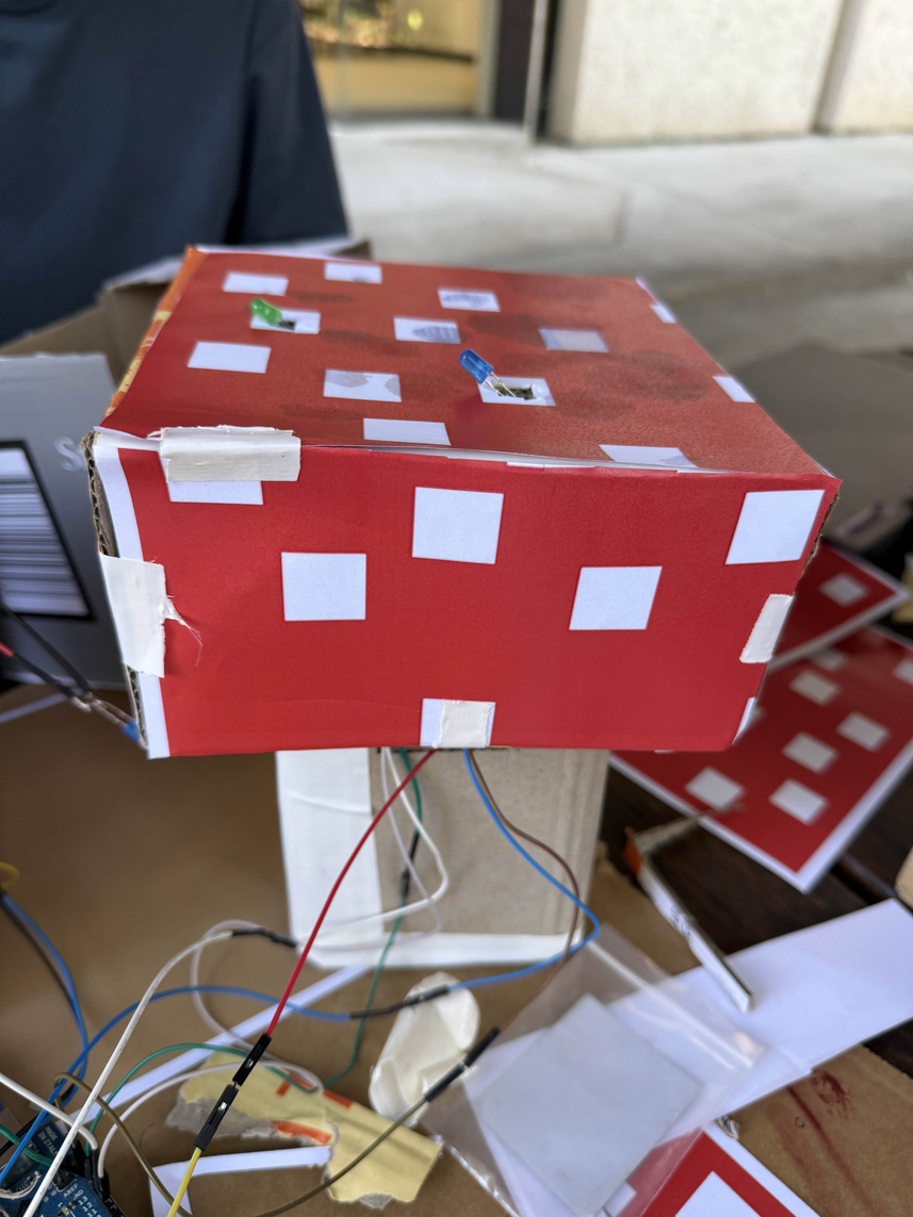
We started with breadboard prototypes using Arduino to test the ambient light detection and pressure sensor logic. Later, we moved to building the lamp using cardboard, planks, and paper.
INITIAL PROTOTYPE
For our initial prototype, we used an Arduino and a breadboard to wire up the ambient light and pressure sensors. This allowed us to quickly test the core logic of detecting room lighting and sensing phone placement before committing to a physical housing.
BUILDING THE MUSHROOM
We used cardboard, wood planks, and paper to create a mushroom-shaped lamp that diffused the LED light while safely housing all the internal wiring.
Final Product
The final ShroomCycle product seamlessly integrates into the user's bedroom environment, using soft, diffused light to remind users of their accountability to sleep.
Check out our promotional video to see Shroomcycle in action and understand how it works to encourage healthier sleep habits.